

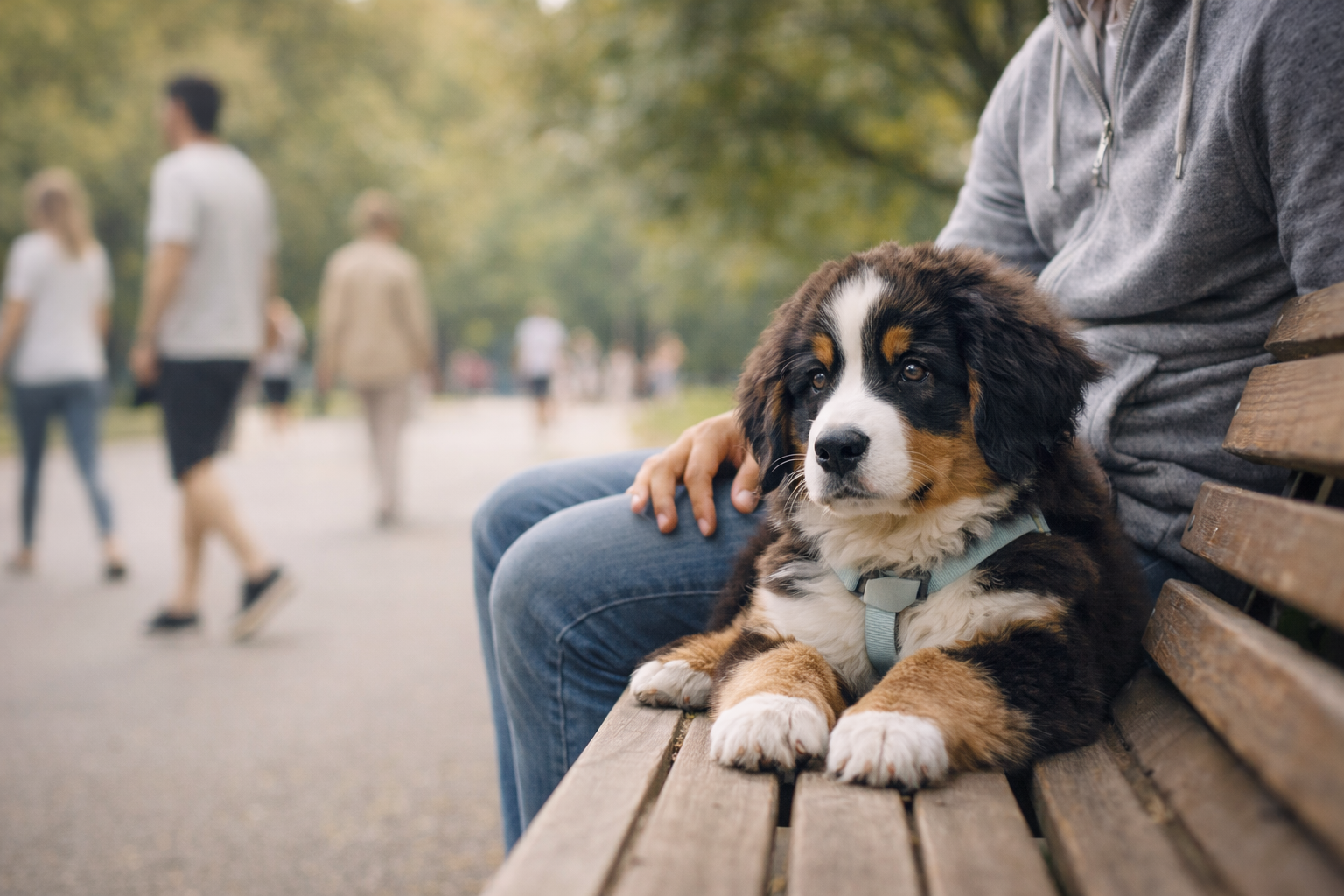
Socialization is one of the most important—and most misunderstood—components of raising a well-adjusted dog. It is not about forcing interaction, overwhelming exposure, or creating a “friendly with everything” dog. Proper socialization is about teaching dogs how to feel safe, calm, and capable in the world they live in.
When done correctly, socialization helps prevent fear, anxiety, reactivity, and aggression. When missed or rushed, it can set the stage for lifelong behavioral challenges. Socialization is not a one-time checklist—it is a process that begins early and continues throughout a dog’s life.
Social success does not mean loving every dog or person—it means being able to exist calmly around them.
What Is Socialization (and What It Is Not)
Socialization is the process of helping a dog learn that people, environments, sounds, surfaces, objects, and situations are safe and predictable. It builds emotional resilience and teaches dogs how to cope with novelty without fear.
Socialization is not:
- Flooding a puppy with constant stimulation
- Forcing interactions with people or dogs
- Throwing dogs into overwhelming environments
- Expecting dogs to “just get over it”
True socialization prioritizes quality over quantity, calm exposure over chaos, and the dog’s emotional response over proximity.

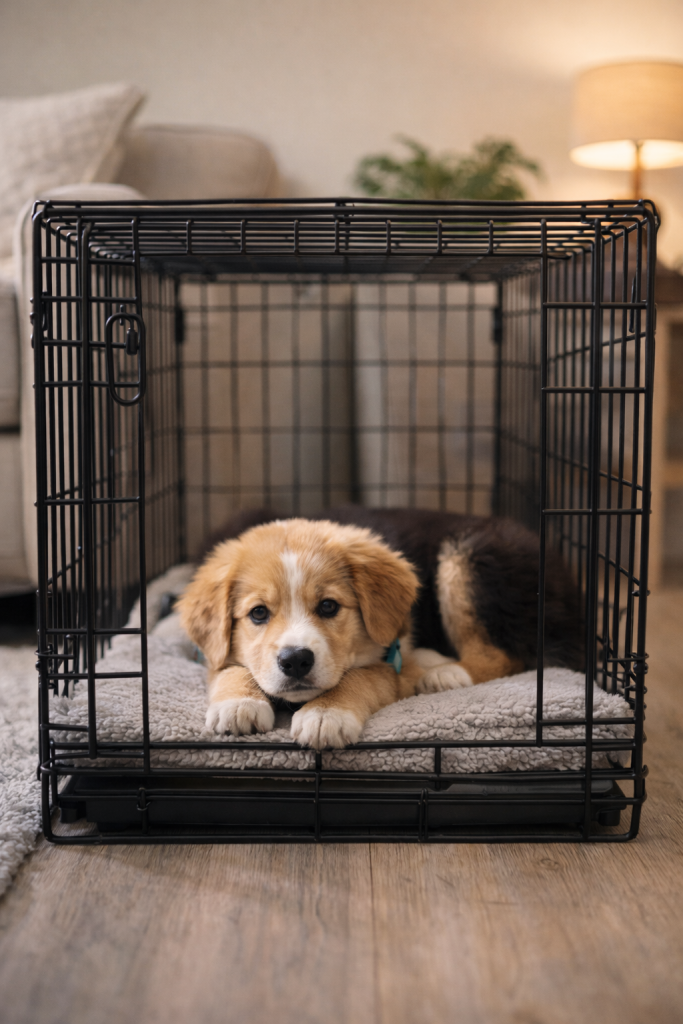
The Critical Socialization Window in Puppies
The most influential learning period in a dog’s life begins around 3 weeks of age and gradually closes between 16 and 20 weeks. During this window, puppies are neurologically primed to accept new experiences with minimal fear.
Experiences during this period shape how a dog views the world for life.
Puppies who receive thoughtful, positive exposure during this window are more likely to grow into confident adults. Puppies who miss it—or experience fear during it—are at greater risk for anxiety, reactivity, and aggression later on.
Importantly, socialization should begin before eight weeks of age, often with the breeder, and continue seamlessly when the puppy goes home.
Socializing Puppies the Right Way
Gentle Handling
Puppies should be handled daily in calm, positive ways. This includes touching paws, ears, tails, and mouths; being held in different positions; and experiencing gentle restraint. This builds comfort with grooming, veterinary care, and emergencies later in life.
Exposure to Sounds
Gradually introduce everyday noises—kitchen sounds, traffic, television, children playing, doors closing—starting quietly and increasing volume slowly. The goal is familiarity, not startle responses.
Surfaces and Environments
Puppies benefit from walking on grass, tile, carpet, gravel, dirt, wood floors, and safe outdoor areas. Each new surface builds confidence and body awareness.
Positive Associations With People
Introduce puppies to a wide variety of people—different ages, appearances, voices, and movements. All interactions should be calm, brief, and positive, with the puppy allowed to disengage if needed.
Food Bowl Exercises
Teaching puppies that humans approaching their food brings good things—not threats—can help prevent resource guarding. Adding treats to the bowl or briefly lifting and returning it with something better builds trust.
Learning to Be Alone
Daily, intentional alone time helps prevent separation anxiety. Puppies should learn that being alone is safe and temporary, not distressing.
Bite Inhibition
Puppies explore with their mouths. Redirect biting to appropriate toys, end play briefly if biting becomes painful, and avoid physical punishment, which often increases fear and aggression.
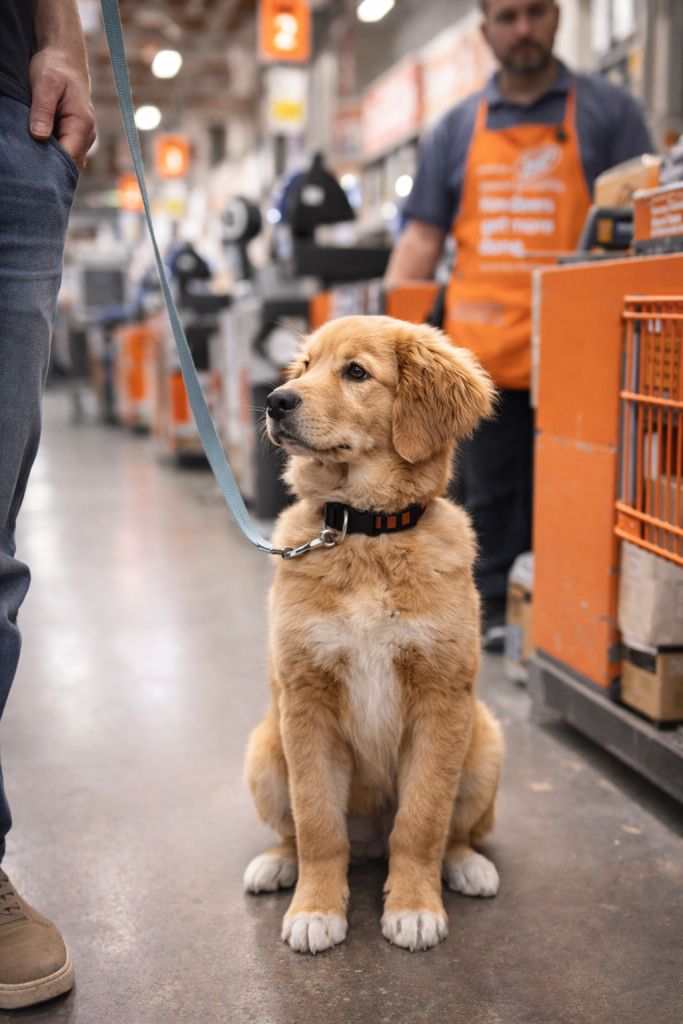
Socialization During Adolescence (5–12 Months)
As puppies mature, many owners are surprised to see fear or reactivity appear “out of nowhere”. Sometimes referred to as a fear period or stage. This is normal. Around adolescence, dogs begin to interpret unfamiliar things more cautiously.
This is not a failure of early socialization—it is a normal developmental phase that requires continued guidance.
Ongoing Exposure
Dogs must continue meeting new people and seeing new environments to maintain social skills. Socialization does not end after puppyhood.
Dog-to-Dog Experiences
Not all dogs enjoy large groups. Structured interactions—walks with known dogs, calm playdates, or parallel exposure—are often more beneficial than chaotic environments.
Variety in Daily Life
Changing walking routes, visiting different neighborhoods, and experiencing new but manageable environments provide mental enrichment and confidence.
Never Punish Fear
Fear-based reactions should be met with distance, support, and redirection—not punishment. Punishing fear confirms to the dog that the situation is dangerous.
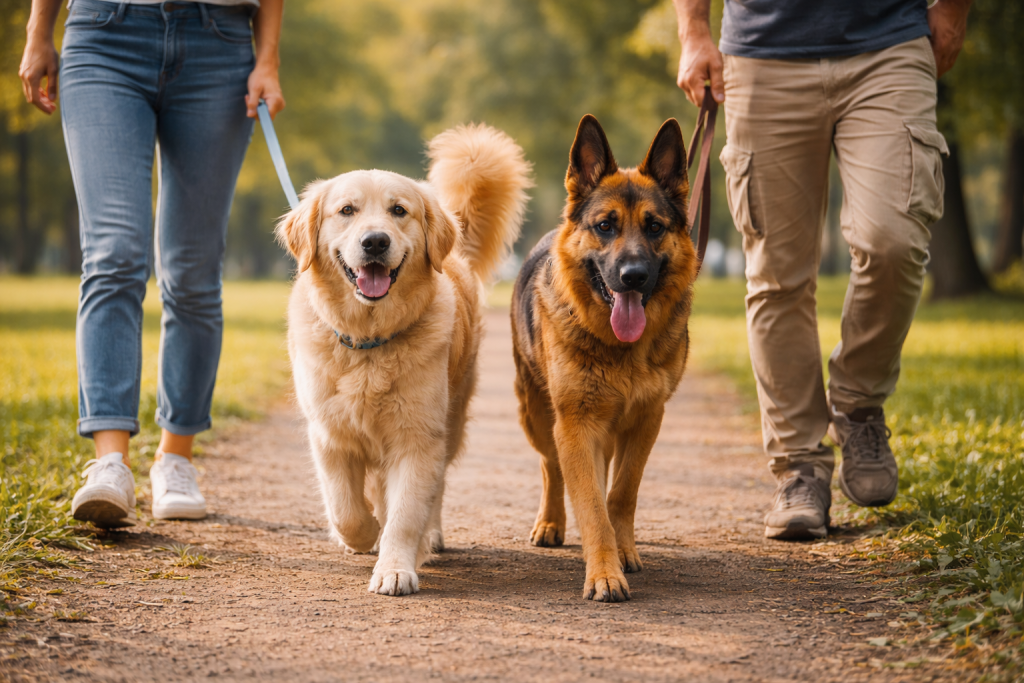
Socialization in Adult Dogs
Adult dogs can absolutely learn and adapt—but socialization looks different than it does for puppies.
Many adult dogs do not enjoy dog parks or group play, and that is normal. Social success does not mean loving every dog or person—it means being able to exist calmly around them.
Adult Dog Socialization Focuses On:
- Neutral exposure rather than forced interaction
- Calm coexistence
- Building trust and predictability
- One-on-one introductions when appropriate
Structured walks with another calm dog, parallel activities, and gradual introductions are often more successful than off-leash play.
Socialization Is More Than Exposure
Simply placing a dog in a new situation is not enough. The dog’s emotional experience matters most.
Effective socialization:
- Moves at the dog’s pace
- Uses positive reinforcement
- Allows choice and retreat
- Avoids overwhelming intensity
- Builds calm neutrality, not overexcitement
If a dog is fearful, frozen, frantic, or trying to escape, learning is not happening.
Health, Safety, and Disease Considerations
Socialization must be balanced with health precautions, especially for puppies not fully vaccinated. Controlled environments, known healthy dogs, clean surfaces, and supervised classes reduce risk while still allowing critical exposure.
The risks of poor socialization often outweigh the manageable risks of safe exposure.

When to Seek Professional Help
If a dog shows increasing fear, aggression, or shutdown behavior, early intervention is critical. Veterinarians, credentialed trainers, and behavior professionals can guide individualized socialization plans.
Socialization challenges are not failures—they are opportunities for support.
Lifelong Socialization
Socialization does not end after the first year. Dogs benefit from ongoing positive exposure throughout their lives. Continued reinforcement of calm behavior helps dogs remain adaptable as their environments and routines change.
Final Thoughts
Socialization is one of the greatest gifts we can give our dogs. It shapes not just behavior, but emotional well-being, confidence, and quality of life. When approached thoughtfully, respectfully, and patiently, socialization builds dogs who feel safe navigating the world—and strengthens the bond between dogs and their humans.
References
- American Veterinary Medical Association (AVMA). Literature Review on the Welfare Implications of Socialization of Puppies.
https://www.avma.org/sites/default/files/resources/socialization_puppies_kittens.pdf - American Kennel Club (AKC). Puppy Socialization: Why, When, and How to Do It Right.
https://www.akc.org/expert-advice/training/puppy-socialization/ - Maxwell, M. (2017). Socialization Is More Than Mere Exposure. American Veterinary Society of Animal Behavior.
https://avsab.org/socialization-mere-exposure/ - Fear Free Happy Homes. (2021). Training and Socialization 101.
https://www.fearfreehappyhomes.com/video/training-and-socialization-101/ - Summerfield, J. (2018). Why “Later” Is Too Late for Puppy Socialization.
http://www.drjensdogblog.com/socializing-your-puppy-why-later-is-too-late/
Disclaimer
The information provided in this article is intended for general educational purposes only and should not replace guidance from a veterinarian, certified dog trainer, behavior consultant, or other qualified dog professional. Every dog and situation is unique—professional support is always recommended when addressing health, behavior, or training concerns.
Continue Learning with Us
Want to go deeper? Uncensored Dog members get access to premium articles, training plans, videos, and tools designed for real-life dog training and everyday challenges.