

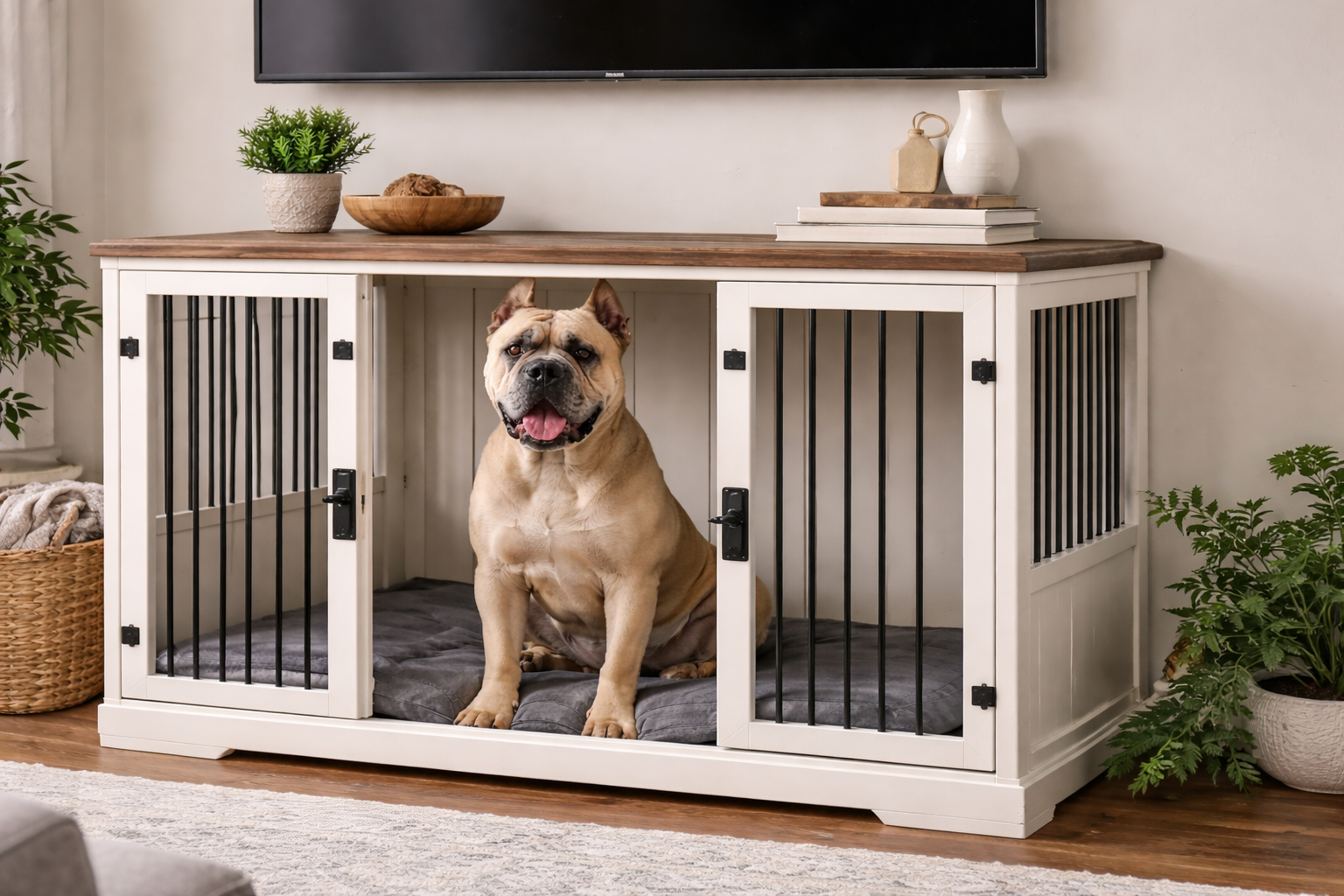
Crate training has a reputation problem.
Some people hear “crate” and immediately think confinement, punishment, or something only needed for puppies or destructive dogs. Others skip it altogether because their dog is well-behaved, trustworthy, or always home with them.
Here’s the reality: crate training isn’t about locking your dog up—it’s about preparing them for real life.
Even dogs who never spend a full day crated at home benefit enormously from being crate trained. It’s one of those skills you hope you’ll never need… until you absolutely do.
Crate Training Is a Life Skill, Not a Lifestyle
A properly crate-trained dog sees a crate as a safe, familiar space, not a punishment. Think of it as a bedroom, not a jail cell.
When crate training is done correctly:
- The dog can relax instead of panic
- The crate becomes a predictable, secure environment
- Stressful situations become manageable instead of traumatic
This matters far beyond your living room.
Boarding, Travel, and Emergencies Happen
Even if you never crate your dog at home, there will almost certainly be times in their life when they don’t get a choice.

Boarding Kennels & Daycares
Most boarding facilities use crates or kennel runs at some point—overnight, during cleaning, or for rest periods. A dog who has never been crate trained may:
- Panic
- Bark or injure themselves trying to escape
- Stop eating or drinking
- Experience extreme stress
A crate-trained dog? They typically settle in and cope without issue.
Vet Visits, Surgery, and Recovery
This is one of the most overlooked reasons crate training matters.
If your dog ever needs:
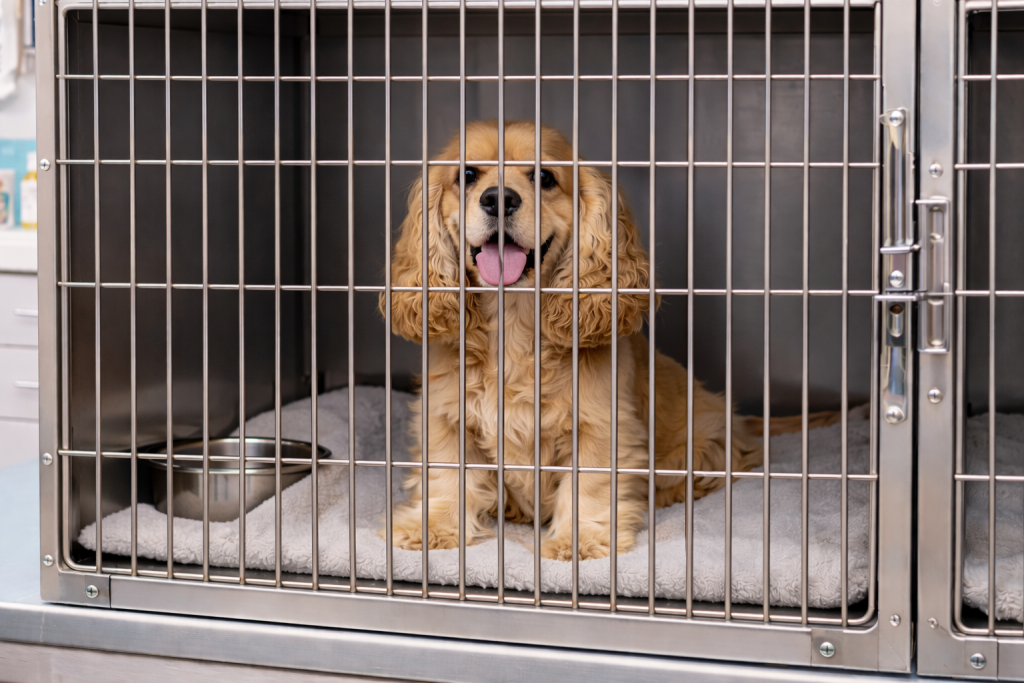
- Overnight veterinary care or even to just be left at the vet for a short procedure
- Surgery or post-op recovery
- Injury-related confinement
- Emergency hospitalization
They will be crated.
Dogs unfamiliar with crates often experience fear on top of pain or illness—making recovery harder and increasing stress for everyone involved. A crate-trained dog already understands the environment and can rest when rest is critical.

Injury or Illness May Require Strict Rest
At some point, many dogs need limited movement:
- Orthopedic injuries
- Post-surgical recovery
- Neurological issues
- Muscle or ligament strains
Trying to suddenly crate a dog who has never been trained when they must be confined is stressful and unfair. Teaching crate comfort ahead of time ensures:
- Safer recovery
- Better compliance with vet instructions
- Less frustration for both dog and owner
Natural Disasters & Unexpected Situations
Wildfires, floods, evacuations, and emergency shelters often require dogs to be crated.
In these moments, stress levels are already high. A dog that:
- Refuses to enter a crate
- Panics when confined
- Vocalizes or becomes reactive
Is far harder to keep safe during an emergency.
Crate training is part of responsible preparedness—even if you hope you never need it.
Crates Can Help With Emotional Regulation
Crates aren’t just physical tools—they’re emotional ones.
Many dogs benefit from having a quiet, predictable space where:
- Overstimulation is reduced
- Guests or kids aren’t overwhelming
- They can decompress after activity
Dogs who learn how to turn off and relax in a crate often show:
- Better impulse control
- Improved sleep
- Reduced anxiety overall
Crate Training ≠ Constant Crating
Let’s be clear: crate training does not mean your dog lives in a crate.
It means your dog:
- Is comfortable entering and exiting a crate
- Can relax when confined
- Doesn’t associate a crate with fear or punishment
A dog can be crate trained and still sleep on your bed, free-roam the house, or stay out all day.
These things are not mutually exclusive.
The Best Time to Crate Train Is Before You Need It
Crate training works best when:
- It’s introduced calmly
- There’s no pressure or urgency
- The dog has time to build positive associations
Waiting until you must crate your dog—during an emergency, illness, or stressful event—often creates negative experiences that could have been avoided.
Crate training is about giving your dog coping skills, not taking away freedom.
Even the most trusted, well-behaved, never-destroys-a-thing dog will likely face situations where a crate is unavoidable. Teaching them that a crate is safe, familiar, and temporary is one of the most responsible things you can do as an owner.
You may never use it daily.
You may rarely use it at all.
But when you do need it—you’ll be glad your dog knows how to handle it.
Have you crate trained your dog—or avoided it? Drop your experience, questions, or tips in the comments. Your insight might help another owner make a better decision. 🐾
Disclaimer
The information provided in this article is intended for general educational purposes only and should not replace guidance from a veterinarian, certified dog trainer, behavior consultant, or other qualified dog professional. Every dog and situation is unique—professional support is always recommended when addressing health, behavior, or training concerns.
Continue Learning with Us
Want to go deeper? Uncensored Dog members get access to premium articles, training plans, videos, and tools designed for real-life dog training and everyday challenges.