
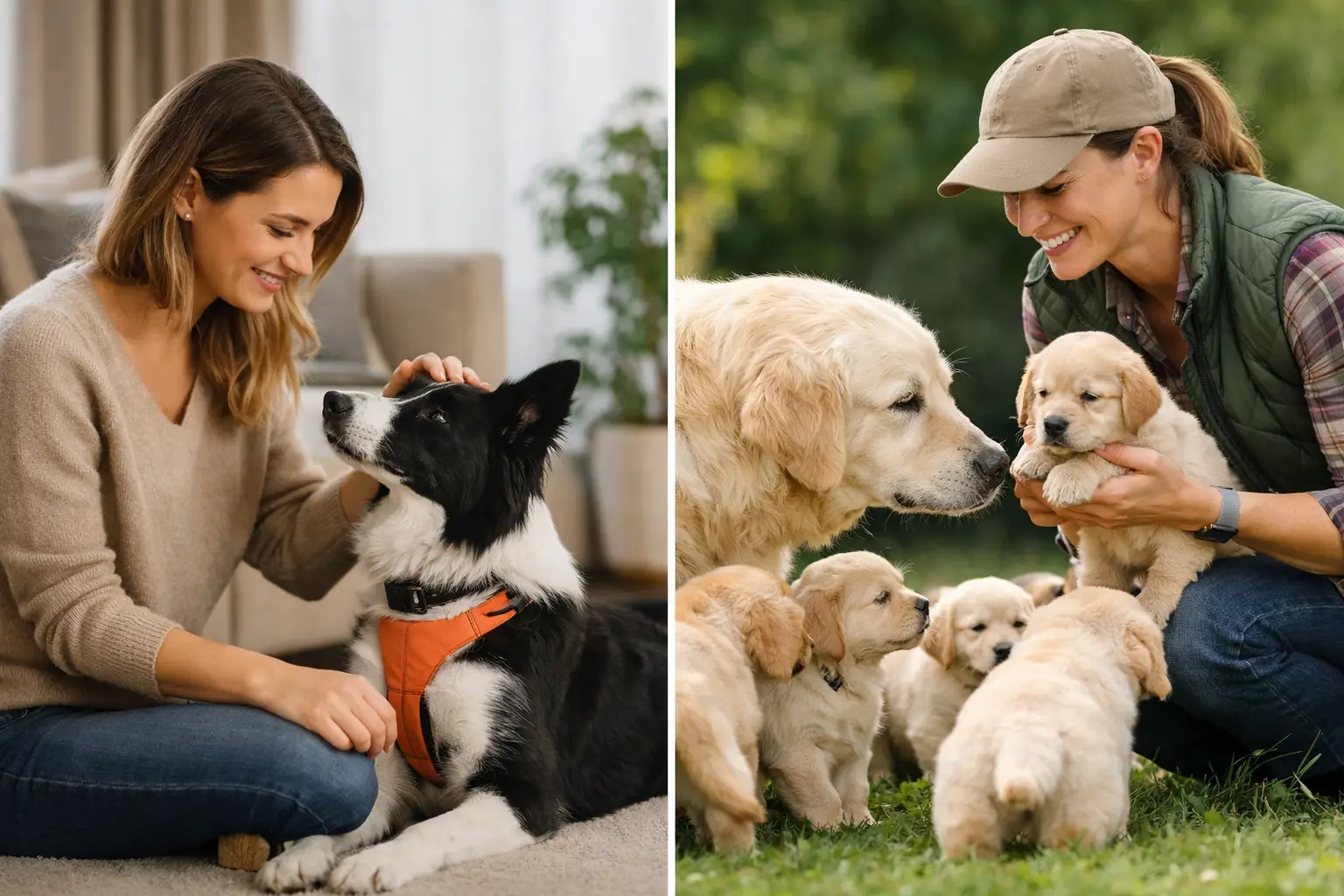
Few phrases in the dog world are as emotionally charged as “Adopt, don’t shop.” And while adoption can be a wonderful option for many people, it is not the only ethical or responsible path to dog ownership—and it shouldn’t be treated as such.
The truth is, dog ownership is not one-size-fits-all. Different homes, lifestyles, experience levels, and expectations require different considerations. Pretending there is only one “right” way to bring a dog into your life ultimately does a disservice to both people and dogs.
Let’s talk honestly about why.
Adoption Is a Great Option—But Not the Only One
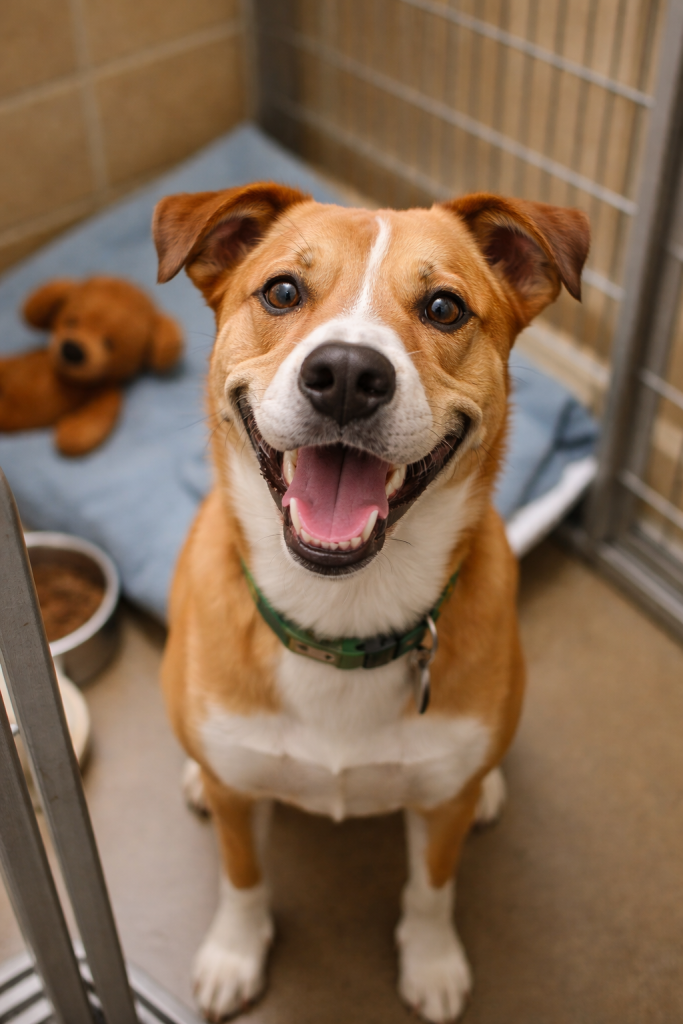
There are countless incredible dogs in shelters and rescues, and adoption has changed many lives for the better—both canine and human. For the right home, the right expectations, and the right support system, adopting a dog can be deeply rewarding.
But the idea that adoption should be the only acceptable option oversimplifies a much more complex reality.
Many dogs end up in shelters not because of their own faults, but because of:
- Backyard breeding
- Accidental litters
- Stray populations created by lack of spay/neuter
- Owners who were unprepared or unwilling to commit
- Behavioral challenges that overwhelmed inexperienced households
Yes, there are absolutely cases where tragic life circumstances force responsible owners to rehome beloved dogs. But those situations are not the majority.
At its core, the shelter crisis is far more about irresponsible human behavior than it is about people choosing to work with ethical breeders.

The Reality of Unknowns in Shelter Dogs
One of the most important—and often overlooked—realities of adoption is unpredictability.
With many shelter dogs, you may not know:
- Their genetic background
- Their parents’ temperaments
- Whether health conditions are hereditary or environmental
- How early development, stress, or trauma may affect behavior
- How the dog will truly behave once fully settled into a home
Shelter dogs are often evaluated in high-stress environments that don’t reflect how they’ll behave in real life. A dog that seems calm in a kennel may struggle once placed in a busy household. Another may appear shut down initially, only to show significant behavioral challenges later.
For experienced dog owners, this uncertainty may be manageable. For first-time owners, families with children, or households with specific needs, it can be overwhelming—and sometimes unsafe.
Acknowledging these risks is not anti-adoption. It’s realistic.
What Responsible Breeding Actually Provides
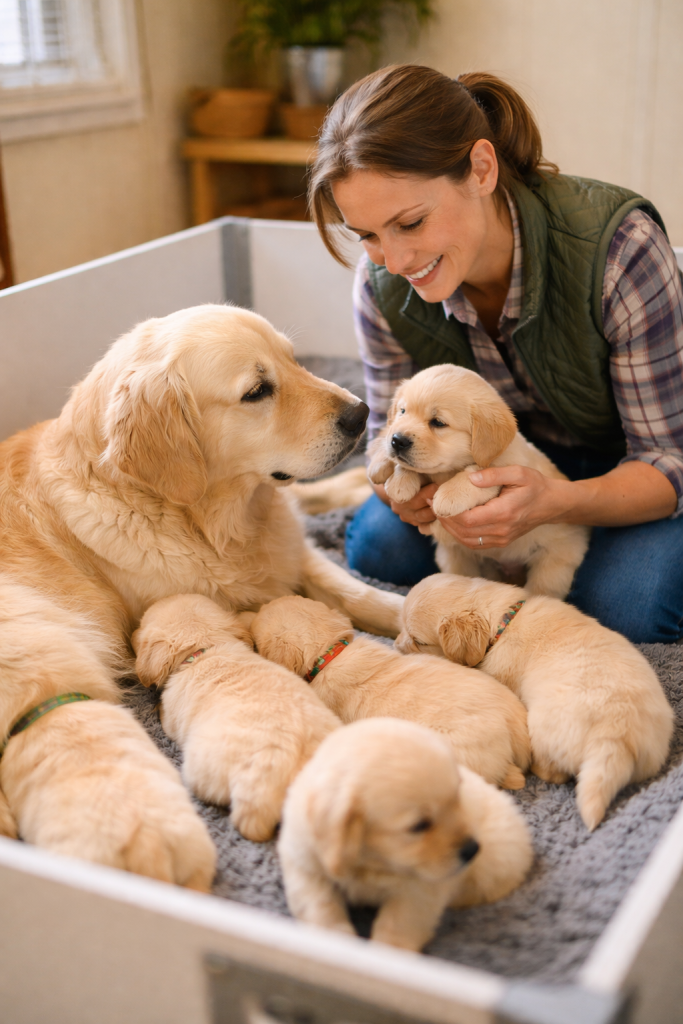
There is a critical difference between buying a dog and working with a responsible breeder—and conflating the two creates confusion and unnecessary guilt.
A responsible breeder offers predictability, transparency, and support that adoption often cannot.
When you work with an ethical breeder, you are typically able to:
- Meet one or both parents
- Observe known, stable temperaments
- Review health testing for genetic conditions
- Understand breed-specific traits and needs
- Receive a health guarantee
- Receive lifelong support and guidance
- Have a breeder who will take the dog back if circumstances change
This is not about vanity or status. It’s about informed decision-making.
Choosing a breed whose natural instincts, energy level, and temperament align with your lifestyle can prevent frustration, burnout, and eventual rehoming. That alone directly supports the broader goal of keeping dogs out of shelters.
Ethical Breeders Are Not the Problem
The uncomfortable truth is this:
Ethical breeders are not contributing to the shelter crisis.
Backyard breeders, puppy mills, and irresponsible ownership are.
Responsible breeders:
- Carefully plan litters
- Limit breeding frequency
- Screen homes thoroughly
- Educate buyers
- Stand behind every dog they produce
In many cases, they are also deeply involved in rescue efforts within their breed, taking responsibility for dogs that end up displaced.
Painting all breeders as unethical ignores the role that thoughtful, intentional breeding plays in preserving healthy dogs and successful human–dog relationships.
The Right Choice Is the Informed Choice
Adopting a dog can be an incredible experience. So can purchasing a dog from a responsible breeder. Neither option makes someone a better or worse person.
What matters is:
- Being honest about your experience level
- Understanding your lifestyle and limitations
- Knowing what you can realistically manage
- Choosing a dog that fits your life—not the other way around
Pressure, guilt, and oversimplified messaging don’t create good outcomes for dogs. Thoughtful decisions do.

Final Thoughts
“Adopt, don’t shop” started with good intentions—but when it becomes a rigid rule instead of a conversation, it fails the very dogs it aims to protect.
Ethical dog ownership isn’t about where your dog comes from.
It’s about preparation, commitment, education, and accountability.
And sometimes, the most responsible choice is the one that people are afraid to say out loud.
At Uncensored Dog, we believe in honest conversations—even when they’re uncomfortable—because real dogs deserve real guidance.
Disclaimer
The information provided in this article is intended for general educational purposes only and should not replace guidance from a veterinarian, certified dog trainer, behavior consultant, or other qualified dog professional. Every dog and situation is unique—professional support is always recommended when addressing health, behavior, or training concerns.
Continue Learning with Us
Want to go deeper? Uncensored Dog members get access to premium articles, training plans, videos, and tools designed for real-life dog training and everyday challenges.