

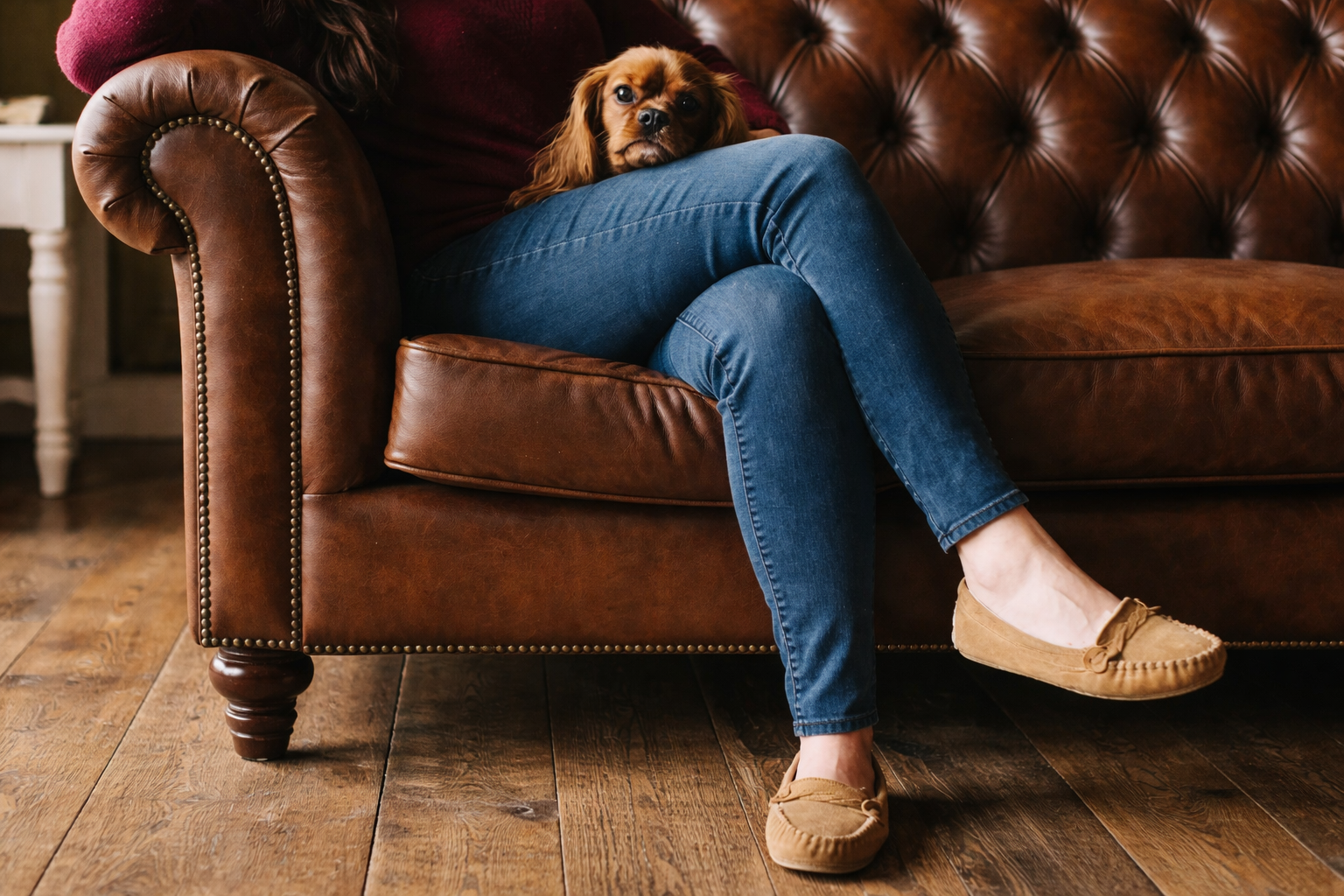
Owning a dog is often described as a joy—and it is—but it’s also a responsibility that reaches far beyond food, walks, and affection. Whether your dog comes from a responsible breeder, a rescue organization, or a shelter, responsible dog ownership looks the same at its core: a long-term commitment to meeting a dog’s physical, emotional, and medical needs while being a thoughtful member of the larger community.
Dogs depend on us completely. That dependency deserves planning, consistency, and accountability—not just good intentions.
Responsibility Begins Before You Bring a Dog Home
Responsible ownership starts before adoption or purchase. The decision to bring a dog into your life should never be impulsive or based solely on emotion.
Before committing, responsible owners ask themselves:
- Do I have the time for daily care, training, and interaction?
- Am I financially prepared for routine and emergency veterinary care?
- Does my lifestyle realistically support a dog’s needs?
- Am I prepared for this commitment for the next 10–15 years (or longer)?
Choosing the right dog for your household—energy level, size, temperament, grooming needs, and long-term care requirements—is one of the most important responsibilities an owner takes on. A mismatch doesn’t just create inconvenience; it can lead to stress, behavioral problems, or rehoming.
Safety and Supervision: Protecting Dogs From Preventable Harm
Dogs are curious, social, and often unaware of danger. Supervision is not optional—it’s essential.
Responsible dog ownership includes:
- Supervising interactions with children, new adults, and unfamiliar dogs
- Preventing access to toxic foods, plants, medications, and chemicals
- Using appropriate containment indoors and outdoors
- Ensuring dogs are safely secured during travel
Supervision isn’t about restriction—it’s about creating an environment where dogs can explore safely without being placed in situations they can’t manage on their own.
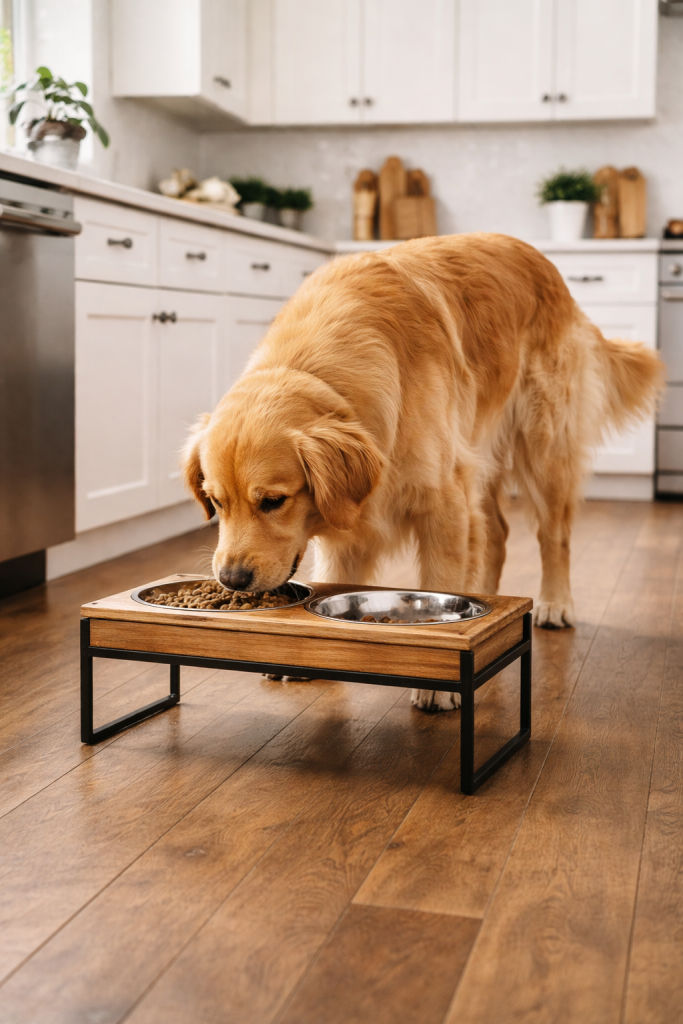
Nutrition: Feeding With Purpose, Not Emotion
Food is one of the most misunderstood aspects of dog ownership. Responsible feeding means meeting nutritional needs, not responding to begging or guilt.
Proper nutrition involves:
- Feeding a complete and balanced diet appropriate for age, size, and activity level
- Monitoring body condition regularly
- Adjusting portions as activity levels and life stages change
- Avoiding overfeeding, which leads to obesity and joint stress
Feeding is not an expression of love—it’s a health decision. Excess weight contributes to arthritis, heart disease, diabetes, and shortened lifespan. Responsible owners feed intentionally and track outcomes, not emotions.

Veterinary Care: Proactive, Preventive, and Ongoing
Veterinary care is a cornerstone of responsible ownership. Waiting until something is wrong often means problems are more severe—and more expensive.
Responsible veterinary care includes:
- Routine wellness exams
- Vaccinations and parasite prevention
- Dental care
- Spay/neuter decisions made with professional guidance
- Prompt attention to changes in behavior, appetite, or mobility
Planning ahead for emergencies—financially and logistically—is also part of responsibility. Veterinary care is not optional; it’s a lifelong obligation.
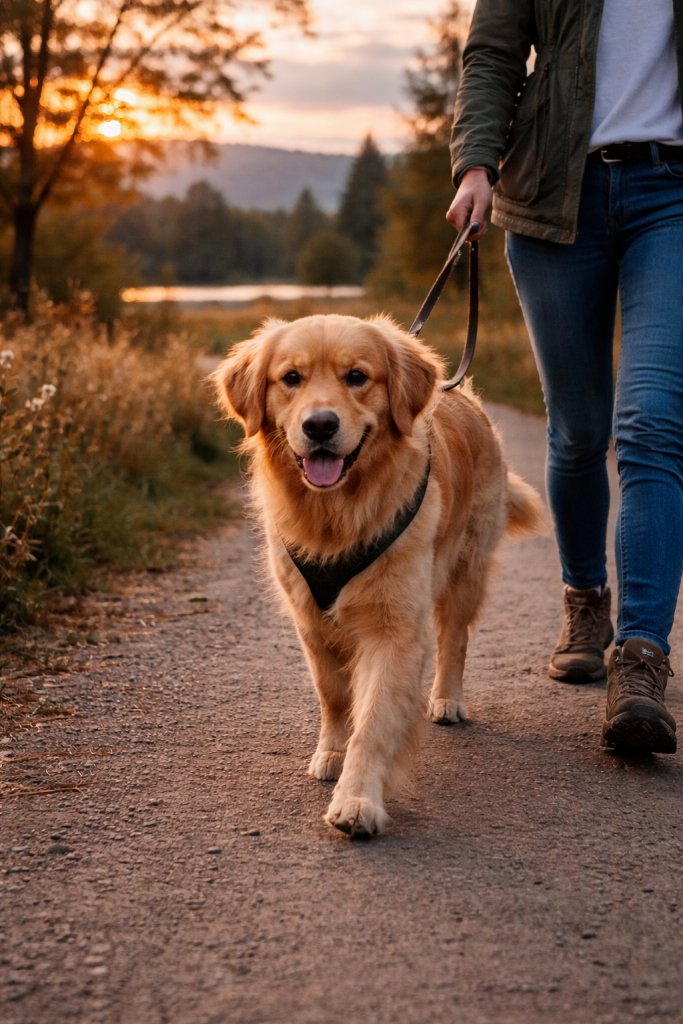
Exercise: Physical Health and Mental Balance
Dogs need regular physical activity appropriate to their breed, age, and health status. Exercise is not optional, and it’s not one-size-fits-all.
Responsible owners provide:
- Daily walks or structured activity
- Opportunities to run, explore, and play safely
- Mental stimulation alongside physical movement
A dog without adequate exercise often develops behavioral issues—not because they’re “bad,” but because their mental or physical needs aren’t being met.
Training and Socialization: Teaching Dogs How to Live in Our World
Training is not about control—it’s about communication, safety, and trust.
Responsible dog ownership includes:
- Teaching basic obedience skills
- Establishing clear household rules
- Using consistent, fair training methods
- Socializing dogs to people, environments, and other animals
Training helps dogs navigate the human world calmly and predictably. A well-trained dog is safer, more confident, and easier to include in daily life.
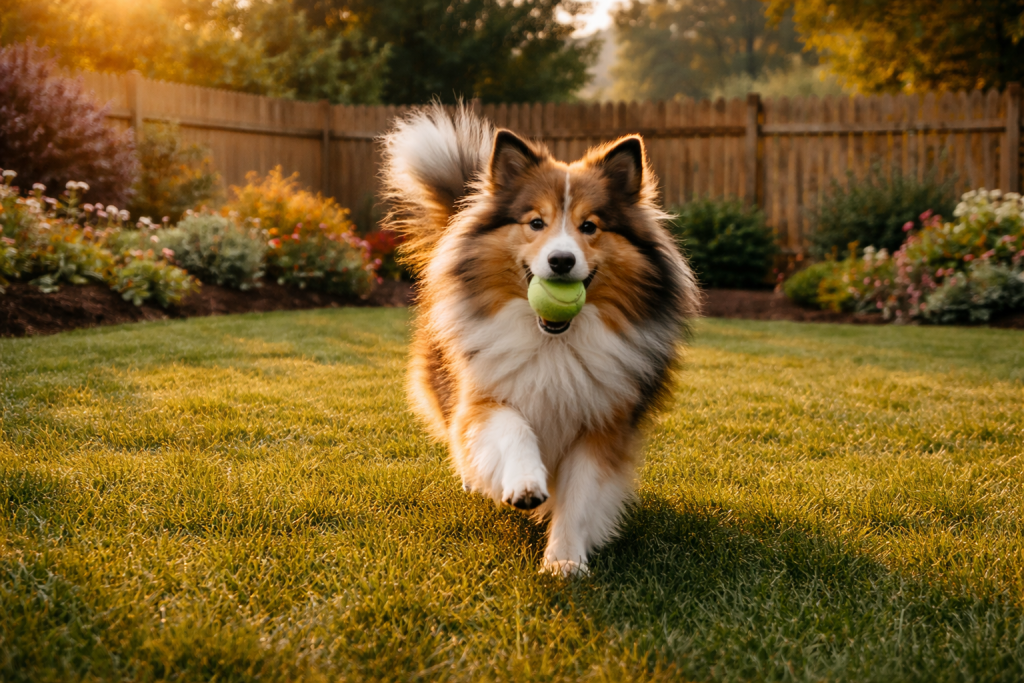
Safe Play Areas and Freedom With Boundaries
Dogs deserve freedom—but freedom must be earned and managed responsibly.
That means:
- Secure, well-maintained fencing where appropriate
- Reliable recall training before off-leash privileges
- Respecting leash laws and public spaces
- Supervising play with other dogs
Allowing dogs off-leash without training, ability to track, or control isn’t freedom—it’s risk. Responsible owners ensure that freedom never compromises safety – for their dog OR anyone around.
Love, Companionship, and Emotional Well-Being
Dogs are social animals that thrive on connection. Responsible ownership means being emotionally present—not just physically available.
This includes:
- Daily interaction and bonding time
- Predictable routines
- Calm reassurance during stress
- Respect for rest and personal space
Love isn’t constant stimulation—it’s consistency, stability, and trust.
Being a Canine Ambassador
Responsible dog ownership extends beyond your home and into your community.
Being a good canine ambassador means:
- Cleaning up after your dog
- Preventing nuisance barking or aggressive behavior
- Respecting neighbors, shared spaces, and local laws
- Ensuring your dog is under control in public
Well-behaved dogs help preserve access to parks, trails, housing, and public spaces for all dog owners.
Tools That Support Responsible Ownership
Tools don’t replace responsibility—but they can support it when used correctly.
Helpful tools include:
- GPS collars or trackers for added safety
- Crates and kennels for rest, travel, and management
- Professional trainers for foundational skills or challenges
- Microchipping and identification
- Quality equipment such as leashes, harnesses, and fencing
Choosing the right tools—and using them properly—can prevent accidents and improve quality of life.
A Commitment That Evolves Over Time
Responsible ownership doesn’t end when a dog stops being “cute.” Needs change over time:
- Puppies need structure and training
- Adolescents need guidance and patience
- Adults need consistency and engagement
- Seniors need comfort, medical support, and compassion
A responsible owner adapts to each stage without abandoning commitment. Training is a constant, lifelong commitment to ensure the best life for your dog and best partner for you.
Organizations like the American Kennel Club emphasize that responsible ownership is about stewardship—protecting dogs, educating owners, and promoting welfare across all breeds and backgrounds.
Final Thoughts
Responsible dog ownership is not defined by where a dog comes from—it’s defined by how they’re cared for every day. Safety, nutrition, training, veterinary care, emotional support, and community responsibility all work together to create a stable, fulfilling life for dogs and the people who love them.
When we commit fully to our dogs, we don’t just improve their lives—we raise the standard for dog ownership as a whole.
What does responsible dog ownership mean to you? Share your thoughts or experiences in the comments—your insight could help someone else do better for their dog. 🐾