

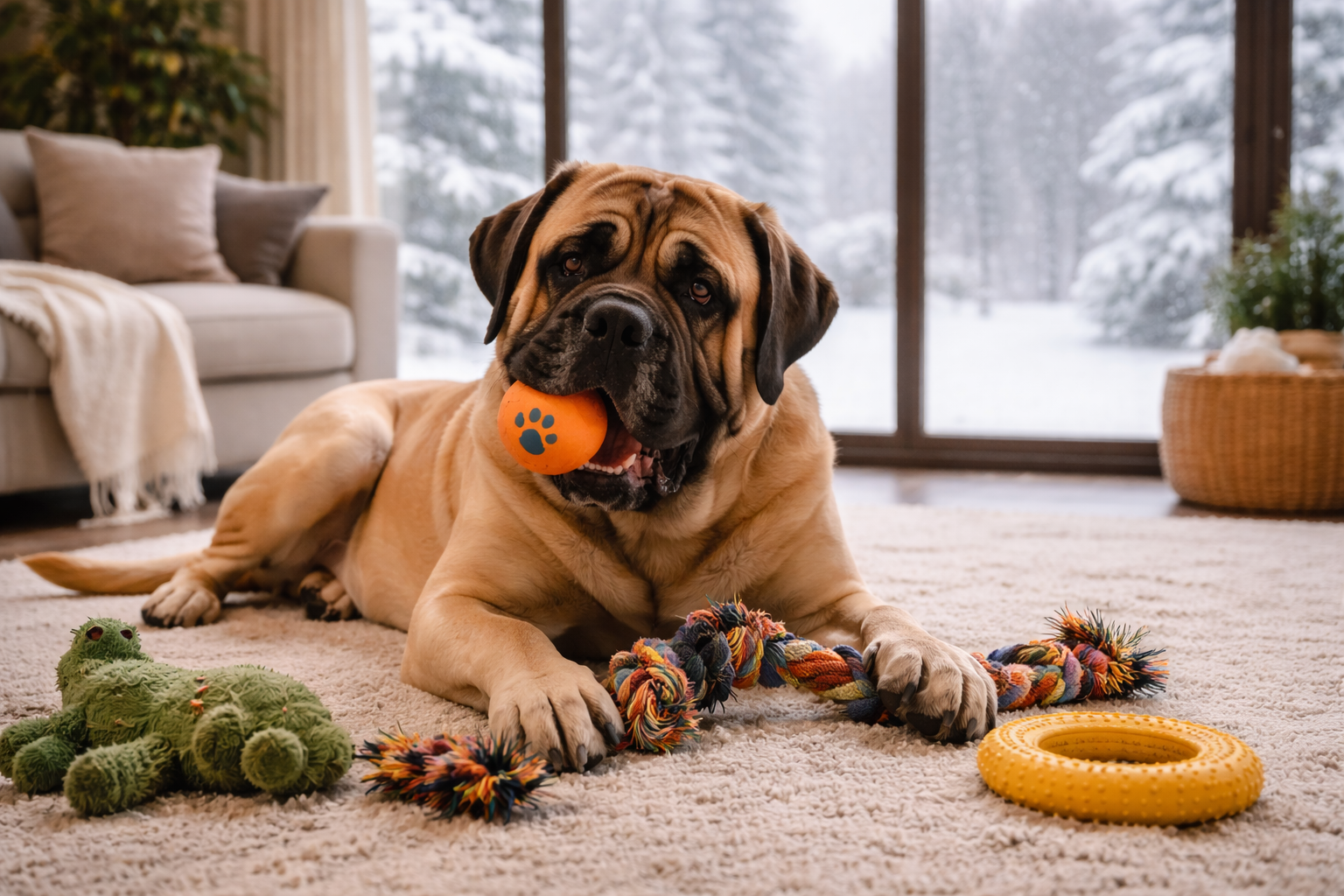
Much of the country is currently experiencing a significant cold spell and winter storms, with dangerously low temperatures expected to last for several days in many areas. When conditions like these hit, outdoor walks, playtime, and normal routines often have to pause. While missing a day outside isn’t a big deal, extended stretches of cold weather can quickly lead to boredom, restlessness, and pent-up energy for dogs.
Dogs still need both mental and physical engagement—even when the weather outside makes it unsafe or uncomfortable to venture out. The good news is that keeping your dog happy and fulfilled during extreme cold doesn’t require constant chaos or expensive gear. With a little planning, you can help your dog stay stimulated, relaxed, and content until conditions improve.
Not All Dogs Experience Cold the Same Way
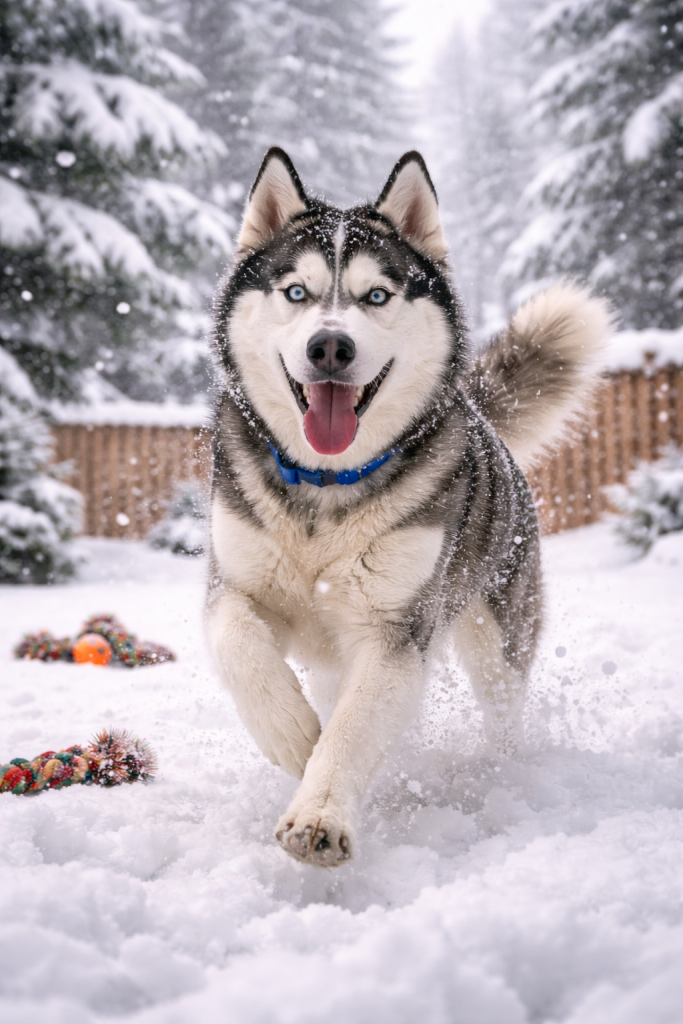
Before committing to several days entirely indoors, it’s important to recognize that some dogs truly enjoy and thrive in cold weather. Breeds developed for colder climates—such as Huskies, Malamutes, Samoyeds, and other double-coated dogs—often love snow play and chilly temperatures.
If your dog is eager, comfortable, and showing no signs of distress, short, supervised outdoor play sessions can be a great energy outlet, even during a cold spell.
That said, cold tolerance varies widely based on age, health, coat condition, and individual sensitivity. Regardless of breed, dogs should be regularly assessed while outdoors. Watch closely for signs such as:
- Shivering or trembling
- Lifting paws or limping
- Ears, tails, or paws feeling excessively cold
- Slowed movement or reluctance to continue playing
These are clear signals it’s time to head indoors and warm up. Paw care is especially important during winter weather—snow, ice, and de-icing chemicals can irritate or injure sensitive pads. Rinsing and drying paws after outdoor play, and using booties or paw balm when needed, can help prevent issues.
The goal is balance: allow cold-loving dogs to enjoy safe outdoor time, while still being mindful of weather conditions and your dog’s individual limits.
Prioritize Mental Stimulation Indoors
When outdoor exercise is limited, mental enrichment becomes essential. Engaging your dog’s brain can be just as effective as physical activity—and often more tiring.
Puzzle toys and food-dispensing games encourage problem-solving and sustained focus. Rotating these toys throughout the week helps keep them engaging.
Snuffle mats are another excellent option. Hiding kibble or treats in fabric taps into your dog’s natural foraging instincts and strong sense of smell. Even short sessions can help reduce restlessness. (If you don’t have a snuffle mat, you can roll up towels with kibble).
You can also play simple scent games by hiding treats or toys around the house and encouraging your dog to “find it,” providing enrichment suitable for dogs of all ages.

Turn Training Into an Indoor Activity
Cold snaps and storm days are an ideal time to revisit training. Short, positive sessions provide structure and mental stimulation while reinforcing good behavior.
Use indoor time to:
- Practice basic cues like sit, down, stay, and place
- Work on impulse control, such as waiting calmly at doors
- Teach fun tricks like spin, touch, or shake
- Build confidence with balance and body awareness exercises
Even ten minutes of focused training can make a noticeable difference in your dog’s mindset and behavior.
Make Mealtime Work Harder
When activity levels drop, mealtime is an easy place to add enrichment without adding extra calories. Instead of feeding from a standard bowl, consider:
- Puzzle feeders or slow feeders
- Scatter feeding in a safe, supervised area
- Frozen enrichment toys prepared ahead of time
Be mindful of portions and treats during extended indoor periods to avoid overfeeding.
Encourage Calm, Controlled Play
Indoor entertainment doesn’t have to be chaotic. Gentle tug games, structured hallway fetch, or interactive toys that promote focus rather than frenzy can help release energy without overwhelming your home. Just be careful the dogs don’t slip on hard flooring while playing, to avoid injury.
For dogs that enjoy chewing, long-lasting chews can provide quiet engagement—just be sure to supervise and choose options appropriate for your dog’s size and chewing habits.
Change the Routine—Just Enough
Small routine changes can be mentally stimulating on their own. Rotating toys, rearranging enrichment stations, or introducing safe new scents can spark curiosity and prevent boredom.
This is also a great time to reinforce relaxation skills, such as settling on a mat or resting in a crate with an enrichment item. Learning how to relax is an important life skill.
Keep Gentle Movement in the Mix
Even when outdoor exercise is limited, some physical movement is still important. Simple indoor activities like:
- Controlled leash walking inside
- Stair exercises (when appropriate)
- Balance work using cushions or low platforms
These help maintain muscle engagement without the risks of icy conditions.
Support Emotional Well-Being During Storms
Winter storms can be stressful, not just boring. Changes in routine, pressure shifts, and noise can increase anxiety in some dogs.
Extra reassurance, predictable schedules, and calm interaction can help dogs feel secure. Grooming sessions, gentle massage, or quiet time together can go a long way during unsettled weather. Some dogs do better with low music playing as well.
Plan Ahead for Extended Cold Spells
With extreme temperatures expected to continue in many areas, preparation is key. Stock up on enrichment tools, rotate activities, and prep frozen toys ahead of time so you’re not scrambling when outdoor time is limited.
Indoor days don’t have to feel long or frustrating. With the right balance of mental stimulation, safe outdoor play when appropriate, calm movement, and connection, winter storms can become an opportunity to slow down and strengthen your bond.
Cold weather may keep you inside—but it doesn’t have to leave your dog bored or unfulfilled. 🐾
Disclaimer
The information provided in this article is intended for general educational purposes only and should not replace guidance from a veterinarian, certified dog trainer, behavior consultant, or other qualified dog professional. Every dog and situation is unique—professional support is always recommended when addressing health, behavior, or training concerns.
Continue Learning with Us
Want to go deeper? Uncensored Dog members get access to premium articles, training plans, videos, and tools designed for real-life dog training and everyday challenges.