

Dog training is often misunderstood.
For some people, it means teaching a dog to sit, stay, and walk nicely on a leash. For others, it feels like a rigid checklist of commands practiced at home and forgotten the moment real life shows up.
But real dog training is much more intentional than that.
Dog training is a purposeful, ongoing practice—something you actively do with your dog on a regular basis to build skills that carry into real-life situations.
Dog Training Is a Purposeful Act
Dog training doesn’t happen by accident. It’s not something you “get around to” once in a while or only practice when problems show up.
Training is the deliberate act of teaching your dog how to:
- Navigate the human world
- Respond in everyday situations
- Make better choices under distraction or stress
- Understand what’s expected of them—clearly and consistently
Every time you train, you are intentionally shaping skills that help your dog succeed in real life, not just in controlled environments.
Training Is About Building Skills—Not Just Practicing Commands
Practicing “sit” in your living room is not the end goal. It’s the starting point.
Real training looks like this:
- Teaching skills at home first, where distractions are low
- Building reliability through repetition and clarity
- Gradually introducing new environments, sounds, people, and situations
- Practicing those same skills away from home, where real life happens
- Adjusting expectations as distractions increase
A dog who can sit perfectly in the kitchen may struggle outside, at the vet, or around other dogs—and that doesn’t mean the dog is being difficult. It means the skill hasn’t been fully built yet.
Training is the process of taking what your dog learns in calm spaces and helping them apply it everywhere else.

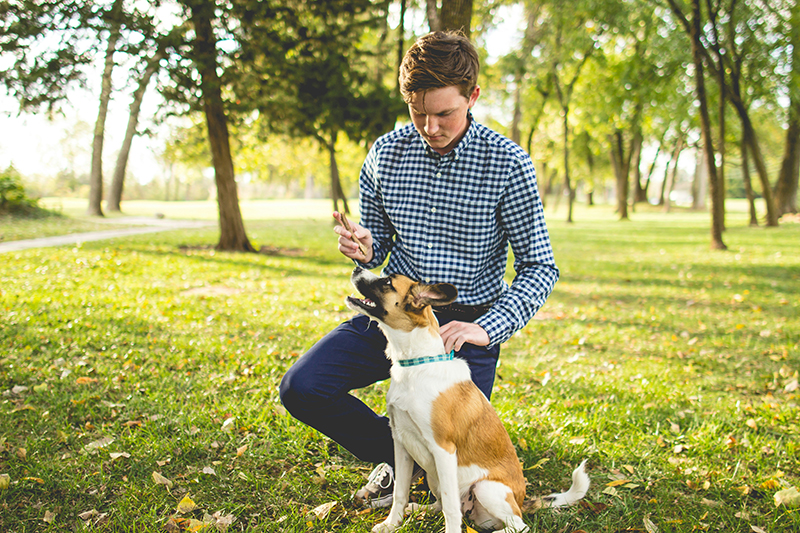
Training Is Ongoing, Not One-and-Done
One of the biggest misconceptions about dog training is that it has an endpoint.
In reality, training evolves as your dog’s life changes:
- New environments
- New routines
- New stages of development
- New challenges
Training isn’t something you finish—it’s something you maintain, revisit, and strengthen over time. Skills need reinforcement, especially when circumstances change.
That’s not failure. That’s normal learning.
Training Happens in Real Life
Formal training sessions matter—but they’re only part of the picture.
Training also happens:
- On walks
- At the door
- During greetings
- In public spaces
- Around distractions
- In moments when things don’t go perfectly
Every real-life situation is an opportunity to reinforce skills, clarify expectations, and help your dog learn how to respond appropriately outside of practice mode.
Good Training Fits Real Life
Effective training has to work in real homes, with real schedules, real distractions, and real humans.
That means:
- Short, consistent sessions instead of long, unrealistic ones
- Progress over perfection
- Adjusting expectations based on environment and difficulty
- Recognizing when a situation is too challenging and scaling back
The goal isn’t flawless behavior—it’s functional skills your dog can rely on when it matters.
Training Is a Relationship
Training isn’t about control or performance. It’s about cooperation, trust, and communication.
Mistakes are part of learning—for both dogs and humans. Setbacks don’t erase progress; they highlight where more clarity or practice is needed.
When training is intentional, consistent, and compassionate, it strengthens the bond between you and your dog instead of creating frustration.
The Bottom Line
Dog training is a purposeful, ongoing process—one that builds real-world skills through consistency, repetition, and thoughtful practice.
It’s not just about practicing cues at home.
It’s about teaching skills, testing them in real life, and continuing to build them wherever life takes you.
At Uncensored Dog, we believe training should be honest, practical, and rooted in real situations—because that’s where dogs actually live.
Disclaimer
The information provided in this article is intended for general educational purposes only and should not replace guidance from a veterinarian, certified dog trainer, behavior consultant, or other qualified dog professional. Every dog and situation is unique—professional support is always recommended when addressing health, behavior, or training concerns.
Continue Learning with Us
Want to go deeper? Uncensored Dog members get access to premium articles, training plans, videos, and tools designed for real-life dog training and everyday challenges.